


Welcome to Your Lip Blush Aftercare Journey
Your result is a 50/50 blend of artistry and care. The treatment lays the foundation, but what happens in the days that follow determines how vibrant, even, and long-lasting your color becomes. The next 14 days are essential for pigment retention and for achieving the soft, refined hue you’ve been dreaming of.
You won’t navigate this alone. I’ve created a complete, easy-to-follow lip blush aftercare guide designed to remove all guesswork. Following these gentle, luxury-friendly guidelines will help you:
• Achieve a smooth, even heal
• Preserve up to 90% of your pigment
• Enjoy a refined, natural-looking result
• Avoid common healing complications
The First 24 Hours
The first 24 hours, this period sets the tone for your entire healing journey.
1. Blotting Lymph (and Why It Matters) After your procedure, your lips may release a clear fluid called lymph. Gently blot your lips with a clean, dry napkin every 30–60 minutes. This prevents thick crusts from forming — crusts that can lift away with pigment when they eventually fall off.
2. First Application of Healing Ointment After blotting, use clean hands or a cotton swab to apply a very thin, almost invisible layer of our recommended ointment. Your lips should feel lightly moisturized, not heavy or saturated.
3. Food and Drinks on Day One Avoid hot, spicy, salty, or greasy foods that can irritate healing lips.
• Eat carefully using a fork
• Drink all beverages — including water — through a straw
4. The Best Sleeping Position to Reduce Swelling On your first night:
• Sleep on your back
• Use a higher pillow This helps reduce morning swelling by encouraging lymph fluid to drain away from the face.
Important: Cleanliness is your top priority. Never touch your lips with unwashed hands.
What to Put on Your Lips
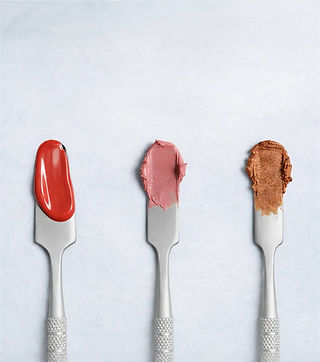
Choosing the right aftercare product plays a significant role in healing and pigment retention. The Gold Standard – Aquaphor or A&D Ointment Aquaphor is the top choice among professionals across the U.S. and Canada. It creates a protective barrier while delivering panthenol and glycerin, which hydrate and support skin renewal. This makes it the ideal balance of protection + nourishment.
Can I Use Vaseline After Lip Blushing? Vaseline is not recommended. While it forms a barrier, it lacks healing and moisturizing properties. It simply seals the skin without providing nutrients.
Natural Alternatives – Grapeseed Oil & Other Approved Balms If you prefer natural care, pure grapeseed oil or coconut oil are excellent alternatives. They keep lips soft and supple with strong emollient properties. Always confirm you aren’t allergic before using.
Products to Avoid During Healing Avoid: • Lipstick • Gloss • Lip pencils • Fragranced balms • Products with menthol, salicylic acid, or chemical SPF filters These can trigger irritation, allergic reactions, and pigment loss.
Professional Guidance: If your specialist provided a specific product for your treatment, use that one. They understand their pigments best and know which aftercare works most effectively
Answers to Common Questions
Everyday Life
Coffee or Wine After Lip Blushing? Avoid coffee and red wine for the first 5–7 days. Hot drinks increase swelling, and both substances are strong dyes that can interfere with pigment before it sets. If you do drink them:
• Keep them warm, not hot
• Use a straw
When Can I Kiss? Avoid kissing for at least 7–10 days, until all scabs have naturally fallen off. Kissing creates friction and introduces bacteria to the healing area.
How to Brush Teeth Without Ruining Your Result?
• Use a minimal amount of toothpaste
• Brush gently without stretching your lips
• Rinse gently and pat lips dry
• Reapply ointment afterward
When Can I Exercise or Swim?
• Avoid intense workouts for 10–14 days
• Sweat contains salt that irritates healing lips
• Swimming, saunas, and steam rooms are prohibited for 14 days.
Tip: If you must exercise, choose walking or light stretching and keep sweat away from your face.
When Can I Wear Lipstick Again? Lipstick is safe only after complete healing:
• Minimum: 2 weeks
• Ideally: 3–4 weeks post-procedure Applying lipstick to unhealed skin can cause complications.


Long Term Care
Proper long-term care helps you enjoy your results for as long as possible. The Sun Is Your Pigment’s Biggest Enemy. UV light breaks down pigment and causes premature fading. Once your lips are fully healed:
• Use a balm with physical SPF (zinc oxide (preferably) or titanium dioxide)
• Apply it daily. Skincare Ingredients That Can Fade Pigment. Be cautious with anti-aging products. Retinoids, AHA, and BHA acids accelerate skin renewal and may cause pigment to fade faster if they reach the treated area.
Planning a Touch-Up To maintain vibrant color:
• Schedule a touch-up every 1.5–3 years
• A touch-up refreshes shade and keeps shape sharp
Important: Pigment longevity also depends on skin type and metabolism. On oily skin, pigment tends to fade faster than on dry skin.
Conclusion
Your Role in Creating Your Ideal Result Aftercare is simple but requires consistency. Your care during the first two weeks directly shapes how vibrant, even, and long-lasting your result becomes. Follow these guidelines, trust the process, and reach out whenever you need support.
Disclaimer: Individual healing results vary based on skin type, lifestyle, medical history, adherence to aftercare instructions, and other factors. A touch-up appointment may be necessary to perfect and maintain your results.